A common double garage door is 16 feet wide, though some two-car garages use an 18-foot door or two single doors. To answer “how wide are 2 car garage doors” for your home, check the clear opening, your vehicles, and the garage structure. The right fit leaves room to enter and park safely. Homeowners in Utica can start by checking the opening and daily parking needs.
Table of Contents
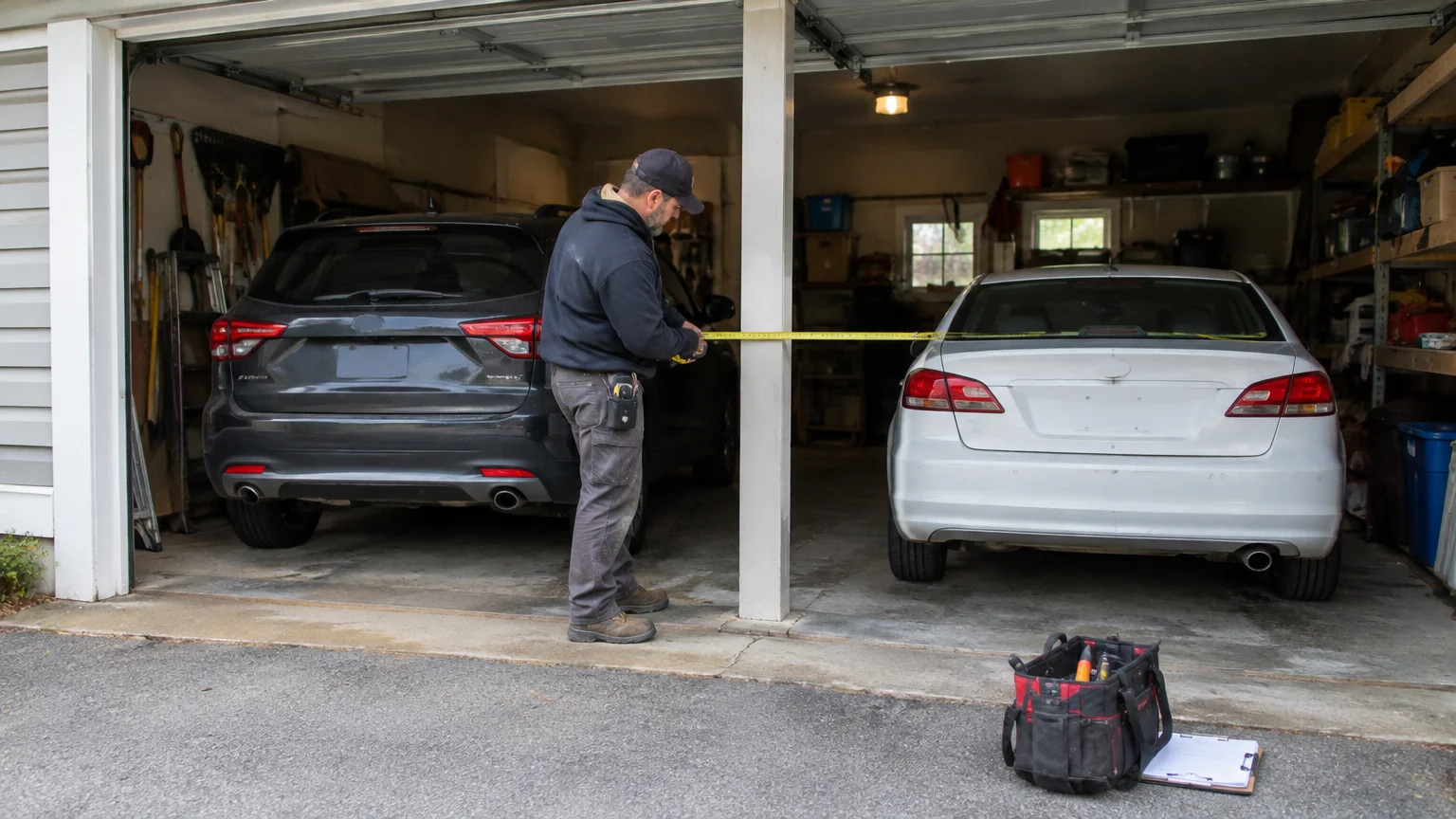
- How wide are two-car garage doors?
- What is the difference between one double door and two single doors?
- How do you know what door width your garage needs?
- How much space should you leave between two parked cars?
- How do vehicle size and parking habits affect door width?
- What garage door height and headroom should you consider?
- What structural features can limit the width of a garage door?
- Should you choose a wider door for a new garage?
- Can you replace a two-car garage door with a different width?
- How can you confirm the right two-car garage door size?
- Frequently Asked Questions
How wide are two-car garage doors?
A two-car garage may have one double door or two separate single doors. A common double door is 16 feet wide, and some garages use an 18-foot model. Single doors are often 8 or 9 feet wide. These are common sizes, not a promise that every opening will fit them. Check the clear opening before choosing a replacement.
The door width and the usable opening are not always the same. The clear opening is the space between the finished sides of the doorway. Trim, framing, tracks, and the way the door is fitted can affect that space. A door size that sounds right may still leave too little room for a vehicle.
Common single-door widths for two-car garages
Two single doors make two openings side by side. Each vehicle can use its own entrance. The full space depends on both openings and the wall or post between them. Do not treat the two door widths as one large opening, because the center section also takes up room.
One wide door makes a shared opening. This can help when drivers enter at different angles or move between parking spots. The garage still needs suitable framing, track space, and an opener. The structure matters as much as the size listed for the door.
Why the actual opening may differ from the door size
A listed door size describes the door panel, but the full fit depends on more than the panel. The frame, wall space beside the opening, ceiling height, and track design all matter. An installer can check these parts before a door is ordered, especially when replacing an old system.
Utica Garage Door Repair helps homeowners and property owners review an opening before they choose a door. A careful check can lower the chance of ordering a door that does not fit. It can also show whether the current layout can stay or needs more review.
What is the difference between one double door and two single doors?
One double door covers a shared opening for both vehicles. Two single doors make separate openings, often with a post or wall between them. Neither layout works best for every garage. The building, parking style, and daily use should guide the choice.
How each layout uses the garage opening
A double door gives drivers one broad entrance to use for either parking space. It means there is one large door and one main opening to manage. The garage needs enough clear width and the right support for that design. The door and opener must also match the opening and tracks.
Two single doors divide the front wall into separate bays. This can suit a garage where each vehicle has a regular spot. The center section may limit how close the vehicles can park, but it keeps the entrances apart. If one door needs attention, the other may still work, depending on the problem.
Practical trade-offs in access and operation
A double door can feel simple when a driver needs to enter either side. Its larger panel needs suitable hardware and can face more wind. Two single doors give each vehicle its own entrance, but need two door systems and enough room between the openings.
The current structure may decide what is possible. A garage built around one wide opening may not support two doors without changes. A center post may mean one wide door is not suitable until the support is checked. Have a garage door installer review the framing before changing the layout.
For a business or rental property, think about how people use the garage. Separate doors may help keep vehicle movement organized. One shared opening may work better when vehicles need to use either side. Choose the layout that suits the building and daily use, not just the look of the front wall.
How do you know what door width your garage needs?
Start by measuring the clear opening, then compare it with the vehicles and how people use the garage. Do not choose a door only because it is called a two-car size. The opening may be narrower or wider than expected, and trim or framing can change the usable space.
Measuring the clear opening
You can safely take basic measurements from the ground if the area is clear. Do not climb near the door or touch its hardware. Measure between the inside edges of the opening, not across the outside trim. Measure the height too, since width alone cannot show whether the door will fit.
Also note the space beside and above the opening. Side room means the clear wall space next to the opening. Headroom is the space between the top of the opening and the ceiling or another obstacle. These areas help show which tracks and opener may fit.
A tape measure gives useful details, but it cannot confirm that the structure will support a door. Tell an installer if the opening is uneven, the floor slopes, or old framing looks damaged. Do not take off trim or change framing just to make measuring easier.
Accounting for vehicles, mirrors, and everyday access
Think about the widest vehicle that will use the garage. Include its side mirrors and leave room to turn without hitting the frame. Consider whether people need space to walk around the vehicles, open doors, reach a child seat, or carry bags and tools.
It may help to park both vehicles where they usually sit and look at the space around them. This is a planning check, not a replacement for measuring the opening. If the cars only fit with careful parking, discuss a wider entrance or a different parking plan.
Homeowners can ask Utica Garage Door Repair to review the opening and discuss door styles that may fit. A record of the opening, vehicle sizes, and storage plans makes that review more useful. The choice should suit daily use, not only an empty garage.
How much space should you leave between two parked cars?
Leave enough room for both vehicles to enter, park, and open their doors without hitting a wall or another car. No single gap works in every garage. Vehicle width, mirrors, door shape, and how people get in and out all affect the space needed.
Planning clearance for doors and walkways
Think about the whole routine, not just whether both vehicles fit inside. A driver may need room to get out, reach a child seat, or carry a bag. You may also need a clear path to a house door, shelves, or a work area.
Park both vehicles in their usual spots and check whether people can get out safely. See if the doors open without hitting a wall or the other car. If space is tight, one vehicle may need to use a different side, or the parking positions may need to change.
A wider garage door does not make more space between parked cars by itself. The inside width, wall storage, and any center post still matter. A garage may have a wide entrance but narrow inside walls that limit where the vehicles can sit.
Allowing room for storage and other garage uses
Storage can take up useful parking space. Cabinets, bikes, bins, lawn tools, and workbenches all need a safe place. Items that stick out near a vehicle can catch a mirror or block a walkway. Plan where these things will go before settling on a door layout.
A garage may also be a workshop, an entryway, or a place for outdoor gear. Keep the path to the house clear. Do not put heavy items where they could fall onto a vehicle or track. A tidy layout can help people move around, even when the opening cannot be made wider.
If two vehicles barely fit, changing the door may not solve the main problem. The issue may be the inside layout or parking positions. An installer can explain what a door change can and cannot do. This helps set clear plans before you choose a new door.
How do vehicle size and parking habits affect door width?
A compact car may pass through an opening that feels tight for a large SUV or truck. The best door width depends on the widest vehicle and how it approaches the garage. A driver who turns in at an angle needs more room than one who lines up first.
Choosing for cars, SUVs, trucks, and changing needs
Check the width of the widest vehicle, including its mirrors. Think about whether a roof rack, trailer hitch, or other gear changes how it moves into the garage. A truck may need careful turns even when its body seems to fit through the opening.
Consider what may change later. A household may replace a small car with a larger one, or new tenants may bring different vehicles. Choosing a door only for the smallest vehicle can make daily use hard later. A wider door helps only if the building can support it.
Property owners should also think about who uses the garage. Several drivers may have different parking habits and levels of experience. A comfortable opening can make it easier to line up, but it cannot replace safe driving or a clear view. Keep clutter away from the door.
Planning for angled or frequent vehicle access
A narrow driveway, nearby fence, or tight turn can affect how a vehicle enters. Drivers may need to turn before reaching the opening, making the usable width feel smaller. Frequent use can make a small clearance issue harder to live with.
Watch how vehicles enter during normal use. Note if drivers must make several adjustments or fold their mirrors. This can help show whether the issue is the opening, driveway angle, or inside parking plan. Share these details when discussing a replacement.
A wider opening may help, but widening it can involve changes to the frame and support. An installer should assess the building before anyone plans that work. If the structure cannot change, a different parking plan or vehicle may be safer.
What garage door height and headroom should you consider?
Door height matters along with width. The door must clear the tallest vehicle and fit the opening, while the tracks need room above and beside it. Headroom is the space above the opening that lets the door travel along its track.
Checking door height alongside width
Measure the opening height and compare it with the vehicles that use the garage. A tall vehicle, roof rack, or cargo on top may need more clearance. Check whether the floor slopes or the opening height changes from one side to the other.
Do not assume a door with the right width will fit. Height, tracks, and ceiling obstacles can affect the whole system. Lights, beams, pipes, and storage racks may block the door’s path. An installer can check these details as part of a fit review.
Understanding headroom and ceiling clearance
The track system needs room above the opening and along the ceiling. The exact space depends on the door, hardware, opener, and garage layout. A low ceiling may not rule out a new door, but it can limit the choices.
Look for obstacles without touching the door or its parts. Do not move a track, spring, cable, or opener to make room. Springs and lift cables can be under high tension and can cause severe harm if handled the wrong way. Trained workers with proper tools should handle them.
A door that does not suit the opening may leave gaps or fail to move well. A professional can check the opening, ceiling, and hardware together. This is useful when the ceiling is low or a vehicle is unusually tall.
What structural features can limit the width of a garage door?
The frame, side walls, and support above the opening can limit door width. Tracks and the opener need room too. Before ordering a larger door, have someone check whether the opening and nearby structure can support it safely.
Side room, framing, and support requirements
Side room is the space beside the opening where tracks and hardware may sit. Shelves, pipes, wall corners, or narrow side walls can reduce that space. The shape and condition of the frame matter as much as the opening size.
The header is the support across the top of the opening. A wider opening may need a different support design, depending on the building. A center post may support the structure between two doors. Changing either feature without a proper check can put the building at risk.
Homeowners can look for visible damage, such as cracked framing, water stains, or loose trim. Do not cut, drill, or remove structural parts to test them. A contractor or garage door professional can tell you what needs review and whether a structural expert should check it.
How tracks and the opener affect available space
Tracks guide the door as it opens and closes. The opener moves the door and needs a suitable place to attach. Low ceilings, beams, storage, or an unusual roof shape can affect where these parts fit.
A door that is off track, noisy, or uneven should not be forced open. A damaged track or worn part can make the door unsafe. Garage Door Off Track Repair may be needed before anyone can safely review a replacement. A loose or broken cable is a separate safety issue, so Garage Door Cable Repair may be needed.
You can keep the area around the door clear and note unusual sounds or movement. Do not adjust springs, cables, or bottom brackets. These parts can release stored force without warning. A trained technician can check them and explain whether repair or replacement is the sensible next step.
Should you choose a wider door for a new garage?
A wider door can make entry easier, but it must suit the structure and the way the space will be used. Consider today’s vehicles, possible future vehicles, and the driveway approach. Wider is not always better if it removes useful wall space or needs major building changes.
Balancing comfortable access with the available structure
Start with the building plan and the vehicles that will use the garage. A wider opening may help drivers turn or park. It may also leave less room for walls, storage, or separate entry doors. Look at the whole front wall before making a choice.
The frame and support must suit the planned opening. A builder or installer can check the design before construction or renovation starts. It is easier to plan for this early than after the walls are finished. A door size alone cannot show what the structure can hold.
Think about how the door will look with the house. Windows, panels, and color can change its look without changing its width. You can choose for both access and appearance, as long as the opening, tracks, and hardware work together.
Considering future vehicles and resale needs
A garage may serve different owners or tenants over time. A door that suits a range of vehicles can make the space easier to use. Still, the design should fit the site and local building needs, not a guess about what a future owner may want.
For a home or business Utica Garage Door Repair can explain how width, height, and layout affect daily access. A professional review can also point out limits before plans are final. The aim is a useful fit, not simply the widest door available.
When planning a new garage, ask the builder and door installer to work together. They can review the opening, support, ceiling, and driveway approach. That can help avoid a plan where the door fits on paper but leaves too little room for vehicles or daily use.
Can you replace a two-car garage door with a different width?
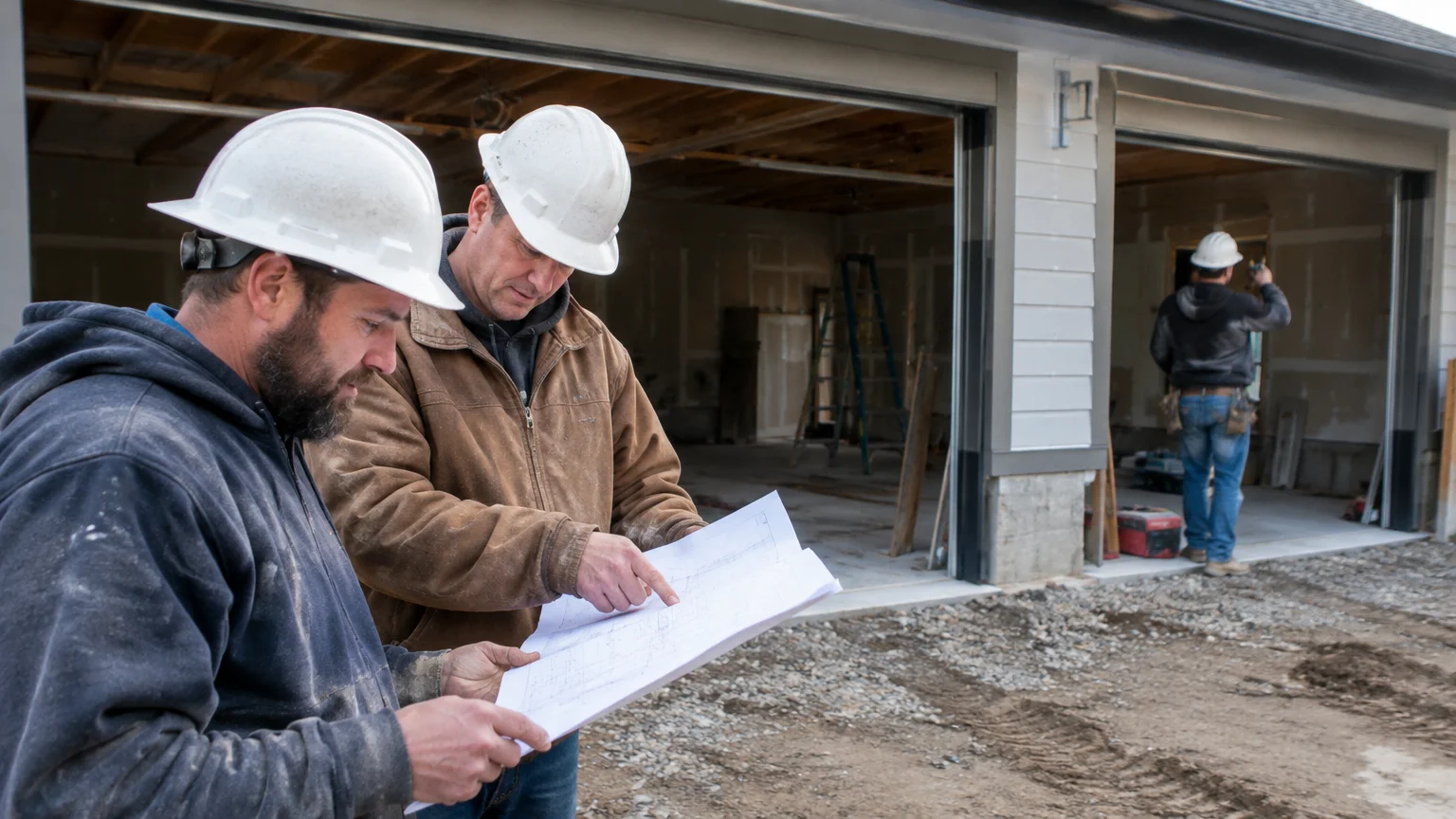
Sometimes an existing opening can take a different door, but the opening and support must suit it. A narrower door may need changes to the frame and seals. A wider door may need structural work. Have a professional check the garage before ordering a new size.
When an existing opening can accommodate a new door
Replacement may be simple when the opening, frame, side room, and ceiling suit the new door. The tracks, hardware, and opener must also match. A professional can check the measurements and condition of the parts before confirming the fit.
If the opening stays the same, you can still choose a different panel style, material, or window design. These options can change the look without changing the opening. The door must fit the garage and follow the maker’s installation rules.
A damaged panel does not always mean the whole door needs replacing. The damage, age of the door, and access to matching parts all matter. A professional can explain whether a panel repair, panel replacement, or full replacement is safer. Do not remove a panel while the door is under tension.
When changing the opening may require structural work
Changing the opening width can affect the frame and support above or beside it. Removing a center post or cutting a wall can change how the building holds weight. This is not a simple door adjustment and should not be a do-it-yourself job.
The work may also affect siding, trim, wiring, or nearby doors. Local permits or building rules may apply, depending on the work and location. A qualified contractor can check the rules and arrange needed work before installation.
You can safely write down measurements and take photos from a safe place. Do not remove trim, cut the frame, or loosen door parts. After checking the opening, a door professional can explain your choices and any limits in plain words.
How can you confirm the right two-car garage door size?
Check the clear width and height, side room, headroom, vehicle clearance, and structure before ordering. The door size alone cannot show whether the whole system will fit. A careful review can help prevent a mismatch and support safe operation after fitting.
Measurements and details to have ready
Write down the opening width and height, plus the space beside and above it. Note ceiling obstacles, visible frame condition, and whether the garage has one opening or two. Add the widest vehicle’s size and any access problem, such as a tight turn in the driveway.
Photos can help show the opening and nearby space, but they do not replace an on-site check. Take views of the ceiling, side walls, and parking area. Mention unusual sounds, uneven movement, gaps, or damage from the current door.
You do not need to diagnose spring, cable, or opener faults. A safe visual check and clear notes are enough. If the door looks crooked, has a loose cable, or will not stay in place, keep people away and arrange professional help. Do not pull or force the door.
Key takeaways
- A two-car garage may use one double door or two single doors.
- Common double-door sizes include 16 and 18 feet, but the opening still needs checking.
- Vehicle size, mirrors, parking habits, and storage affect daily access.
- Side room, headroom, tracks, framing, and support can limit door choices.
- Spring, cable, and bottom-bracket work is hazardous and belongs to trained professionals.
Conclusion
The right two-car garage door fits the opening, vehicles, and building structure. Measure the clear space, think about daily parking, and ask a professional to review any limits before ordering. Utica Garage Door Repair can help property owners understand their options and plan a suitable replacement.
For urgent help checking a door size or replacement, Contact us today. Property owners in Utica can get in touch to discuss their garage opening.
Frequently Asked Questions
Are two single garage doors better than one double door?
It depends on the garage and how people use it. Two single doors make separate openings and may suit vehicles with regular parking spots. One double door gives drivers a shared entrance and may allow more flexible entry. The frame, center support, tracks, and driveway should guide the choice.
Can two cars fit through a 16-foot garage door?
Some two-car garages use a 16-foot-wide double door, but the fit depends on the vehicles and opening. Mirrors, turning room, wall space, and the garage’s inside width all matter. Check that both vehicles can enter and park without touching each other or the walls.
Is a wider garage door always easier to use?
No. A wider opening may help with large vehicles or a tight approach, but the building must support it. It may also use up wall space or require frame changes. Check the driveway, parking area, tracks, and ceiling before choosing a wider door.
Can a homeowner measure a garage door opening?
A homeowner can safely record the clear width and height from the ground, plus visible side room and headroom. Do not climb near the door or touch its springs, cables, or brackets. A professional should confirm the full fit, especially when the frame is uneven or a different size is planned.
Should a damaged door panel be repaired or replaced?
The right choice depends on the damage, the door’s condition, and whether a matching panel is available. A professional can check the door and explain whether a repair, panel replacement, or full replacement makes sense. Do not remove a panel yourself, because door parts may be under tension and move suddenly.
If you are unsure what the problem is, a safe review can help you understand the next step. Learn more about Utica Garage Door Repair and the garage door safety options available to property owners.
If you are not sure what you are dealing with, it is worth having someone look at it before it turns into a bigger job. Get in touch with Utica Garage Door Repair today and we will tell you where you stand.